

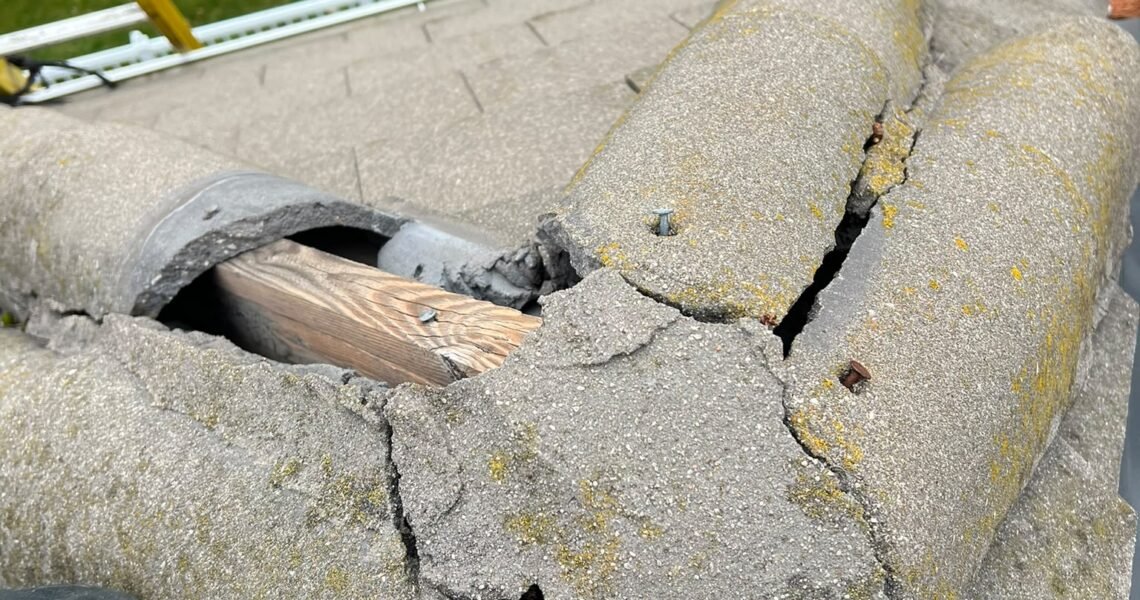
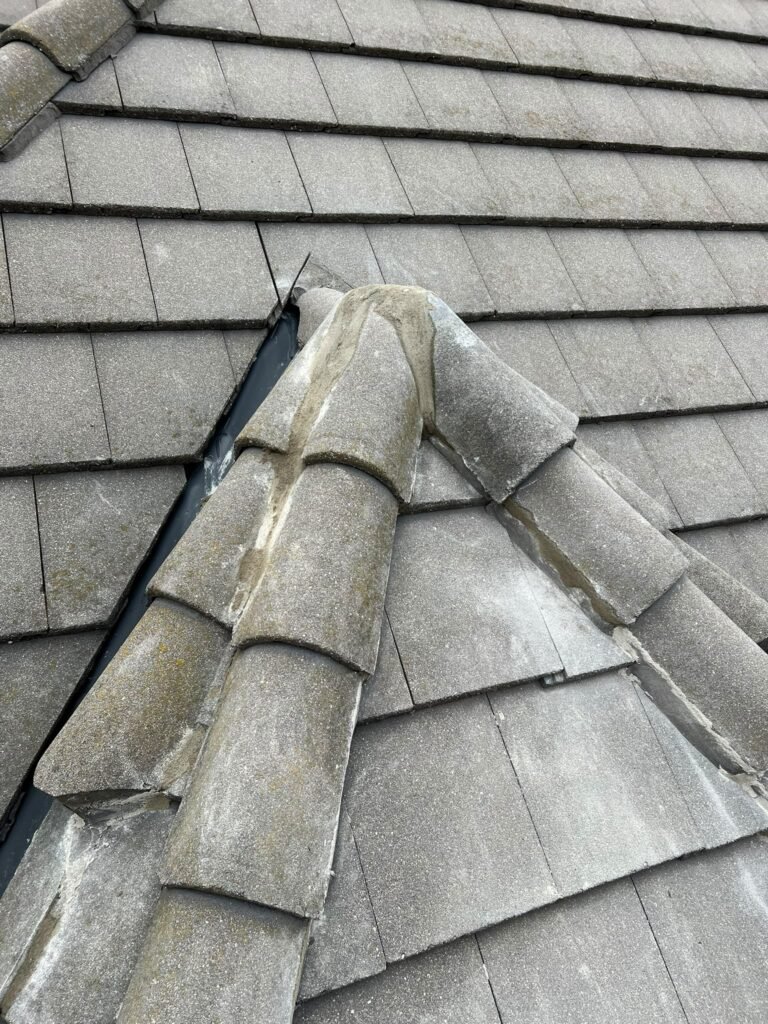
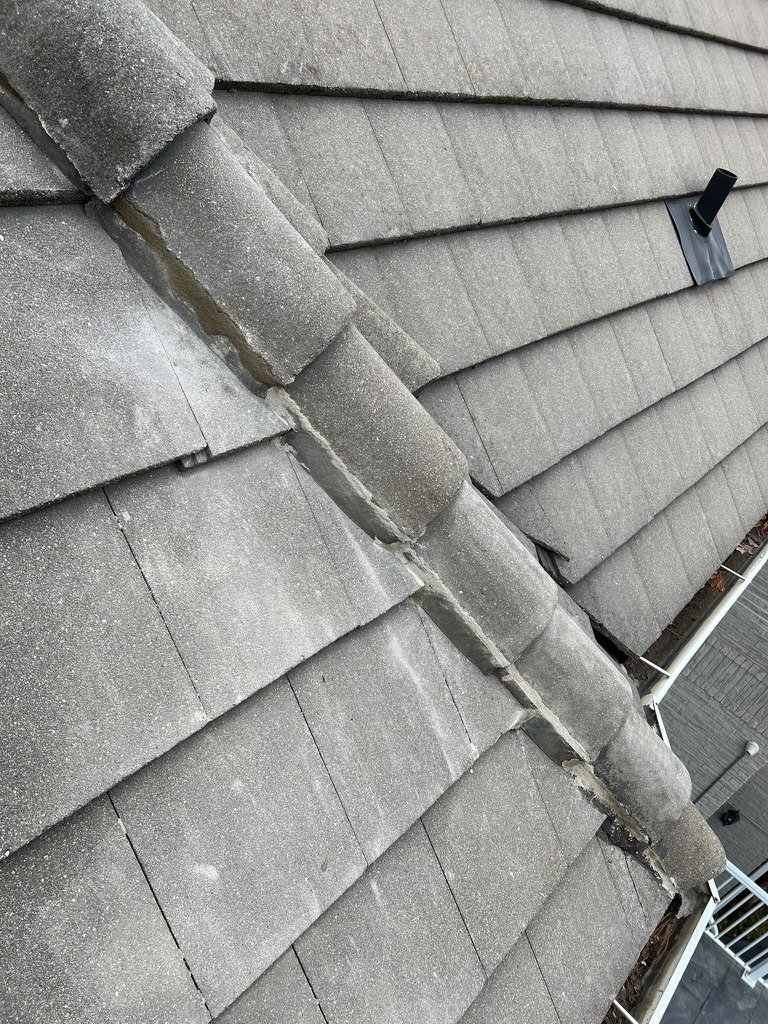
Signs can include missing shingles, leaks, ceiling stains, damaged flashing or visible wear on the roofing system.
Emergencies
Emergency Roof Repair When You Need It Most
From small leaks and damaged shingles to urgent roof repairs, our team provides dependable solutions designed to protect your home and prevent further damage.
4.9 stars
127+ reviews
The #1 emergency roof repair company for homes and commercial use buildings


Emergency Roof Repair Services in Toronto & the GTA
A roof emergency can happen without warning. Strong winds can tear shingles from your roof, heavy rainfall can expose deteriorated flashing, and winter ice buildup can force melting water beneath roofing materials. When water begins entering your home, acting quickly can help limit damage to insulation, ceilings, walls, and structural components.
Roofer On Demand provides emergency roof repair services across Toronto and the Greater Toronto Area, helping homeowners respond to active roof leaks, storm damage, missing shingles, damaged flashing, and other urgent roofing problems.
Our approach begins with identifying the likely source of the damage, assessing the condition of the affected roofing system, and determining whether immediate protection, a temporary repair, or a permanent repair is appropriate.
For non-emergency roofing problems, explore our roof repair services in Toronto.
What Is Considered a Roofing Emergency?
A roofing emergency is damage that creates an immediate risk of water entering a building, further deterioration, or unsafe conditions. An active roof leak, missing roofing materials after a storm, or a damaged roof penetration may require urgent professional attention.
Not every roofing defect requires an emergency visit. However, certain conditions should be assessed promptly because continued exposure to rain, wind, or melting snow can make the damage significantly worse.
Active Roof Leaks During Heavy Rain
Water dripping through a ceiling, running down an interior wall, or entering an attic during rainfall is a strong indication that the building envelope may have been compromised. The source could be damaged shingles, failed flashing, an exposed roof penetration, or a deficiency elsewhere on the roof.
Missing or Torn-Off Shingles
High winds can lift, loosen, or remove asphalt shingles. When the protective roofing surface is compromised, the underlayment and underlying roof assembly may become vulnerable to moisture intrusion.
Storm-Damaged Roofing Materials
Wind-driven debris, falling branches, and severe weather can damage shingles, flashing, metal roofing, and other roof components. Some damage is visible from the ground, while other deficiencies may require closer inspection.
Damaged Chimney, Vent, or Skylight Flashing
Flashing protects vulnerable transitions where roofing materials meet chimneys, plumbing vents, skylights, walls, and other penetrations. When flashing becomes loose, displaced, or damaged, water may enter beneath the roofing surface.
Ice Dams and Winter Water Intrusion
During Toronto winters, snow accumulation and freeze-thaw cycles can contribute to ice dams along roof edges. Trapped meltwater may work beneath roofing materials and cause interior leaks. Severe ice dam conditions may require urgent intervention.
Fallen Branches or Physical Roof Damage
A fallen branch or other impact may puncture roofing materials or damage roof decking. If there is visible sagging, suspected structural damage, or an electrical hazard, keep clear of the affected area until it has been assessed by qualified professionals.
What Should You Do If Your Roof Is Leaking Right Now?
If your roof is actively leaking, protect people first, contain water where it is safe to do so, and contact a roofing professional. Avoid climbing onto the roof or attempting exterior repairs during rain, strong winds, snow, or icy conditions.
- Move belongings away from the leak. Protect furniture, electronics, documents, and other valuables from water exposure.
- Contain dripping water. Place buckets or waterproof containers beneath accessible leaks and use towels to protect surrounding surfaces.
- Watch for electrical hazards. Keep away from wet outlets, fixtures, and electrical equipment. Contact a qualified electrician if water is affecting electrical systems.
- Avoid damaged ceilings. Bulging or heavily saturated drywall may collapse. Keep people away from affected areas.
- Document visible damage. Take photographs from a safe location, particularly if the damage may be relevant to an insurance claim.
- Contact an emergency roofing contractor. Explain when the leak started, where water is appearing, and whether the damage followed a storm or another event.
Do not attempt to install a tarp, apply roofing sealant, or inspect the roof yourself during unsafe weather conditions. Temporary protection should be installed by trained professionals when conditions permit.
Need urgent roofing assistance? Call Roofer On Demand at 866-916-5325 or request an emergency roof assessment.
Our Emergency Roof Repair Process
Every roof emergency is different. The objective is to assess the immediate risk, identify the likely source of water intrusion, and determine the most appropriate way to protect the property.
1. Emergency Roofing Assessment
We review the reported problem, recent weather conditions, visible damage, and available access to the roofing system. Where appropriate, the inspection may include roofing materials, flashing, roof penetrations, drainage areas, and accessible attic conditions.
2. Identify the Source of the Problem
Water can travel beneath shingles, along roof decking, and through insulation before appearing inside a home. The location of an interior stain does not always identify the actual entry point.
Our inspection focuses on identifying the likely failure rather than simply applying sealant to the nearest visible opening.
3. Determine Immediate Protection Requirements
Depending on weather conditions and the damage involved, temporary waterproofing, localized sealing, replacement of damaged materials, or another protective measure may be recommended.
4. Complete the Appropriate Repair
When conditions permit, repairs may involve replacing damaged shingles, correcting flashing, securing loose roofing components, sealing suitable penetrations, or repairing localized waterproofing deficiencies.
5. Review Any Additional Work Required
Some emergency repairs can provide a permanent solution. Others are temporary measures intended to reduce further water intrusion until more extensive work can safely be completed.
We explain the proposed scope and any limitations so homeowners understand whether follow-up work is necessary.
Emergency Roof Leak Repair
Roof leaks are among the most common reasons homeowners request emergency roofing assistance. However, not all roof leaks have the same cause or require the same repair method.
A leak may originate from deteriorated flashing, missing shingles, damaged roof valleys, failed waterproofing, roof penetrations, or a previous repair that is no longer performing as intended.
During an emergency, the priority is to identify the likely entry point and reduce continued water intrusion. Once the immediate situation is controlled, the underlying defect can be evaluated for a lasting repair.
For a detailed explanation of leak diagnosis and repair methods, visit our Roof Leak Repair service page.
Emergency Storm Damage Roof Repair
Toronto and Southern Ontario experience a wide range of weather conditions that can affect residential roofing systems. Strong winds, thunderstorms, freezing rain, heavy snowfall, and repeated freeze-thaw cycles can expose existing weaknesses or cause sudden damage.
Wind Damage
Strong winds can lift shingles, loosen ridge caps, damage flashing, and expose vulnerable roofing areas. Damage may be concentrated along roof edges, ridges, and areas exposed to prevailing winds.
Heavy Rain and Wind-Driven Water
Heavy rainfall can overwhelm vulnerable drainage areas, while wind-driven rain may enter openings that do not leak during ordinary weather. Flashing transitions and previously damaged roofing materials are common areas of concern.
Falling Branches and Debris
Storm debris may damage roofing materials or penetrate the roof assembly. Impact damage should be assessed carefully, especially where roof decking or structural components may have been affected.
Winter Storms and Ice Accumulation
Snow, ice, and fluctuating temperatures can create drainage problems around eaves, valleys, skylights, and roof penetrations. Where ice dams contribute to water intrusion, addressing the immediate leak may need to be followed by an assessment of attic insulation, air leakage, and ventilation.
Learn more in our guide to what to do after roof storm damage.
Emergency Repairs for Different Roofing Systems
The appropriate emergency repair depends on the type of roof, its condition, and the location of the damage. Different roofing systems require different materials, access methods, and waterproofing techniques.
Asphalt Shingle Roofs
Emergency shingle roof repairs may involve replacing missing or torn shingles, securing loose components, correcting damaged flashing, or addressing exposed fasteners. The surrounding shingles and underlayment must also be considered when determining the repair scope.
Flat and Low-Slope Roofs
Flat roofs may develop leaks around membrane seams, drains, parapet walls, penetrations, and rooftop equipment. Emergency work can involve localized waterproofing or temporary protection until conditions permit a more extensive membrane repair.
Metal Roofing
Metal roof leaks may develop around fasteners, seams, flashing, and penetrations. Repairs must account for the specific roofing system and thermal movement of the metal panels.
Cedar and Slate Roofing
Specialty roofing materials require careful handling. Damaged cedar shakes or slate pieces may need to be replaced, while surrounding flashing and drainage details must be preserved or corrected.
Skylight-Related Roof Emergencies
A leak around a skylight may originate from its frame, flashing, surrounding roofing materials, or a deficiency located higher on the roof. Not every leaking skylight requires replacement.
Explore our dedicated Skylight Repair service for more information.
Temporary Roof Repair vs. Permanent Roof Repair
A temporary roof repair is intended to reduce immediate water intrusion, while a permanent repair addresses the underlying roofing defect. The correct approach depends on the weather, safety conditions, material availability, and extent of damage.
When Is a Temporary Repair Appropriate?
Temporary protection may be necessary when heavy rainfall, snow, ice, strong winds, or unsafe access prevents the complete repair from being performed immediately.
Depending on the situation, a temporary repair may involve an appropriate waterproof covering, localized sealing, or another short-term protective measure.
When Can a Permanent Repair Be Completed?
A permanent repair may be possible during the initial visit when the damaged area is accessible, the defect is identifiable, the necessary materials are available, and weather conditions allow proper installation.
For example, localized shingle or flashing damage may sometimes be corrected without replacing a larger section of the roof.
Temporary measures should not be assumed to provide the same service life or protection as a completed permanent repair.
How Much Does Emergency Roof Repair Cost in Toronto?
The cost of emergency roof repair in Toronto depends on the severity of the damage, roof accessibility, materials required, and whether immediate temporary protection or permanent repair is needed.
Emergency roofing work can vary considerably in scope. Replacing a small number of damaged shingles is different from protecting a large exposed roofing area or repairing a complex flashing failure on a steep, multi-storey roof.
Factors affecting emergency roof repair costs include:
- Roof height, pitch, and accessibility
- Extent and location of the damage
- Roofing material and system type
- Weather and working conditions
- Required safety equipment
- Temporary waterproofing requirements
- Materials and labour required
- Whether additional repairs are necessary
- After-hours or urgent scheduling requirements
A professional assessment helps establish the appropriate scope before repair pricing is finalized. We do not recommend assuming that every emergency leak requires a complete roof replacement.
Can Emergency Roof Damage Be Repaired Without Replacing the Roof?
Yes. Many roofing emergencies can be resolved through targeted repairs when the surrounding roof remains in serviceable condition. A localized area of missing shingles, damaged flashing, or a compromised roof penetration does not automatically mean the entire roofing system needs replacement.
However, replacement may be more appropriate when damage is widespread, the roof has extensive deterioration, structural components are affected, or repeated repairs are no longer practical.
Our goal is to assess the actual condition of the roof and recommend an appropriate solution rather than treating replacement as the default response to every leak.
For a broader explanation of roof condition, repair methods, and long-term roofing solutions, visit our Toronto Roof Repair page.
Why Choose Roofer On Demand for Emergency Roof Repairs?
When a roofing emergency occurs, homeowners need clear communication, a practical assessment, and a repair approach suited to the actual problem.
We Focus on Diagnosis
Our objective is to identify the likely source of water intrusion rather than simply covering the visible symptom. Understanding how water enters and moves through a roofing system is essential to choosing an appropriate repair.
Repair-Focused Recommendations
When a targeted repair is practical, we explain that option. If the condition requires more extensive work, we outline why it may be necessary.
Experience With Different Roofing Systems
We assess roofing problems involving asphalt shingles, flat roofing, metal, cedar, slate, skylights, and related flashing components.
Emergency Roofing Support
Roofer On Demand provides 24/7 emergency contact support for urgent roofing concerns across Toronto and the GTA. Actual site attendance and repair timing depend on crew availability, weather, and safe access conditions.
Clear Repair Scope
We explain the recommended work, including whether the proposed repair is temporary or permanent, and identify any known limitations or follow-up requirements.
Emergency Roof Repair Across Toronto and the GTA
Roofer On Demand assists homeowners with urgent roofing problems throughout Toronto and surrounding Greater Toronto Area communities.
Properties in Downtown Toronto, North York, Scarborough, Etobicoke, East York, and surrounding municipalities can experience different roofing challenges depending on building age, roof design, exposure, and seasonal weather conditions.
Whether the problem involves a leaking residential roof, damaged flashing, storm-related shingle loss, or an urgent skylight leak, our team can review the situation and discuss the next available service options.
Frequently Asked Questions About Emergency Roof Repair
1. What qualifies as an emergency roof repair?
An emergency roof repair involves damage requiring urgent attention to reduce water intrusion, prevent further deterioration, or address an immediate safety concern. Examples include active leaks, major storm damage, missing roofing materials, and damaged roof penetrations.
2. Do you provide 24/7 emergency roof repair in Toronto?
Roofer On Demand offers 24/7 emergency contact support. On-site response depends on crew availability, weather conditions, and safe roof access. Call 866-916-5325 to discuss your situation.
3. What should I do if my roof starts leaking during a storm?
Move belongings away from the affected area, contain water where safe, avoid electrical hazards, and contact a roofing professional. Do not climb onto the roof during severe weather.
4. Can emergency roof repairs be completed in the rain?
Some temporary protective measures may be possible during light rain, but many roofing materials require suitable surface and weather conditions. Work should not proceed when wind, lightning, ice, or other hazards make roof access unsafe.
5. Can missing shingles cause an emergency roof leak?
Yes. Missing shingles can expose underlayment and vulnerable roofing components to rainfall and wind-driven water. The urgency depends on the extent of damage, roof conditions, and whether water is entering the building.
6. Can a roof leak be temporarily stopped?
In some situations, temporary waterproofing or localized protection can reduce water intrusion until a permanent repair is possible. The effectiveness depends on the damage, weather conditions, and suitability of the temporary measure.
7. How quickly should a leaking roof be repaired?
An active leak should be assessed as soon as reasonably possible. Continued moisture intrusion can damage insulation, drywall, ceilings, framing, and other building materials.
8. Does emergency roof repair require replacing the entire roof?
No. Many urgent roofing problems can be addressed with localized repairs. Replacement may be recommended when damage is extensive or the existing roofing system is no longer a practical candidate for repair.
9. Can ice dams cause emergency roof leaks?
Yes. Ice dams can restrict roof drainage and allow melting snow to move beneath roofing materials. Emergency protection may be needed, followed by an assessment of the conditions contributing to ice formation.
10. Can a leaking skylight be repaired during an emergency?
Sometimes. The appropriate repair depends on whether water is entering through the skylight, surrounding flashing, roofing materials, or another nearby defect. Temporary protection may be required before permanent work can proceed.
11. Will homeowners insurance cover emergency roof repairs?
Coverage depends on the insurance policy, cause of damage, exclusions, and claim circumstances. Sudden storm damage may be treated differently from deterioration or maintenance-related leaks. Document the damage and contact your insurer for guidance.
12. How much does emergency roof repair cost?
Pricing depends on the type of damage, roofing system, accessibility, weather conditions, and required work. An assessment helps determine whether temporary protection, targeted repair, or more extensive roofing work is necessary.
13. Should I inspect my roof after a major storm?
Yes, particularly if you notice missing shingles, debris, displaced flashing, or interior moisture. Inspect from a safe location and arrange a professional assessment when damage is suspected.
14. Can a small roof leak become a serious problem?
Yes. Even a relatively small opening can allow water into insulation, decking, ceilings, and wall assemblies. Repeated moisture exposure may lead to more extensive repairs if the underlying defect remains unaddressed.
Request Emergency Roof Repair in Toronto
Dealing with an active roof leak, storm damage, or missing shingles? Roofer On Demand can assess your roofing concern, explain the available repair options, and help determine the next appropriate step to protect your home.
Contact our team to request emergency roofing assistance across Toronto and the Greater Toronto Area.
Call: 866-916-5325
Frequently Asked Questions
In many cases, yes. If the damage is localized and the surrounding roof is still in good condition, a targeted repair may be enough.
Roof leaks should be inspected as soon as possible to reduce the risk of further water damage.
Yes, roof damage caused by wind, heavy rain and storms can be inspected and repaired depending on the condition of the roof.
Smaller repairs may be completed relatively quickly, while larger repairs depend on the extent of the damage and required materials.
Pricing
Roof Repair Costs
Every roof is different. Pricing depends on the type of damage, accessibility, materials and the scope of work required.
-
Roof Repair
$699 $699 + HST
Quick & temporary roof repairs on one-story homes
-
Most Popular
Roof Leak Diagnosis
$79 $79 + HST
Thorough roof diagnosis for up to two-story homes
-
Emergency Repair
$799 $799 + HST
Quick & temporary roof repairs on two-story homes
Need Help With Your Roof?
Contact Roofer On Demand today to schedule an inspection or discuss your roof repair needs.