
Start by identifying where and when water appears inside the home. If the attic is safely accessible, look for wet insulation, staining on the roof deck or water trails along rafters. The actual entry point may be higher on the roof than the interior stain.
How to Tell Where a Roof Leak Is Coming From?
Learn how to identify the likely source of a roof leak, where water commonly enters, why ceiling stains can be misleading, and when professional roof repair may be needed.
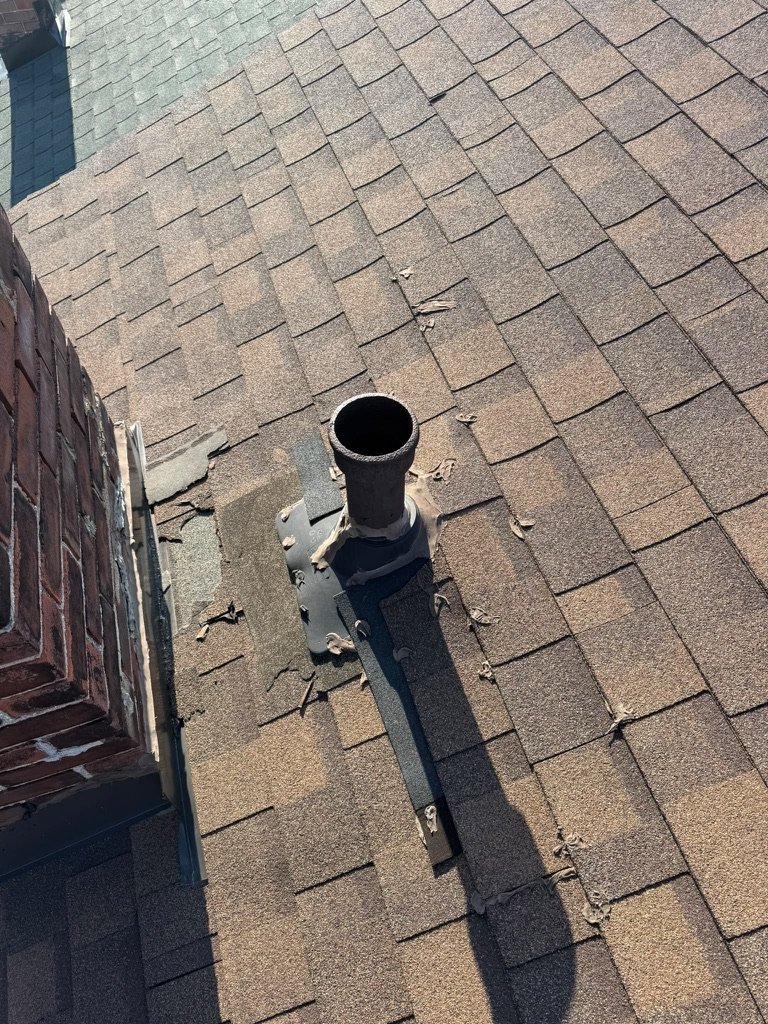
A water stain on your ceiling may tell you that moisture is entering your home, but it does not necessarily tell you where the roof is leaking. One of the most challenging parts of roof leak repair is identifying the actual point where water is entering the roofing system.
Water can enter through damaged shingles, deteriorated flashing, roof vents, plumbing stacks, valleys, skylights, chimneys, flat roof membranes and other vulnerable areas. Once inside the roofing system, water may travel along the roof deck, framing or other components before becoming visible inside the house.
That means the roof leak may not be directly above the stain on your ceiling.
So, how can you tell where a roof leak is coming from?
The process begins by documenting where and when the leak appears inside the home, inspecting the attic when accessible, and then examining the corresponding roof area and nearby roofing details. The objective is to trace the water back to its likely entry point before determining the appropriate roof repair.
This guide explains the most common sources of roof leaks, how professional roof leak investigations work, what homeowners can safely look for and why correctly identifying the source is important before completing a repair.
Why Is It So Difficult to Find the Source of a Roof Leak?
Roof leaks can be difficult to diagnose because water does not always travel straight from the exterior opening to the interior ceiling.
After entering the roofing system, water may move beneath shingles, along underlayment, across roof decking, down rafters or around penetrations before reaching an opening where it becomes visible.
For example, you may notice a ceiling stain several feet away from the actual damaged flashing or shingle where the water originally entered.
This is one reason simply repairing the roof directly above an interior stain may not solve the problem.
A proper roof leak investigation looks at both the interior evidence and the exterior roofing system to determine the most likely path travelled by the water.
Start With Where the Roof Leak Appears Inside the House
The first step is to document the location of the visible water intrusion.
Look at the ceiling, walls and attic area around the leak and note exactly where moisture is appearing.
Common Interior Signs of a Roof Leak
Signs of possible roof water intrusion can include:
- Brown or yellow ceiling stains
- Water dripping from the ceiling
- Peeling or bubbling paint
- Damp drywall
- Wet attic insulation
- Dark staining on roof decking
- Moisture around rafters or framing
- Water staining around chimneys or skylights
- Musty odours in the attic
Documenting the interior location provides a starting point, but it should not automatically be assumed that the roof defect is directly above it.
Pay Attention to When the Roof Leak Happens
When the leak occurs can provide important clues about its source.
A leak that appears during every rainfall may have a different cause than one that occurs only during wind-driven rain, after snow begins melting or during freeze-thaw conditions.
Leak During Regular Rain
If water appears during normal rainfall, possible sources can include damaged shingles, deteriorated flashing, roof penetrations, valleys, membrane deficiencies or other openings in the roofing system.
Leak During Heavy or Wind-Driven Rain
If the leak appears only during heavy rain or when rain is being driven by strong winds, attention may need to be given to roof-to-wall transitions, flashing, chimneys, vents, siding interfaces and other areas where wind can push water into vulnerable openings.
Leak During Snowmelt
Leaks that appear as snow begins melting may involve roof drainage, eaves, flashing or other areas where melting snow is directing water.
Leak During Freezing Weather
Winter water intrusion can sometimes be associated with ice dams. Ice can form near the roof edge and restrict normal drainage, allowing water to move beneath roofing materials.
The timing of a leak does not prove its source, but it can help narrow down the areas that should be investigated.
Check the Attic for Signs of the Water Path
If your attic is safely accessible, examining it can sometimes provide useful information about where water is travelling.
Look for moisture staining on the underside of the roof deck, damp insulation, staining along rafters or visible water trails.
A flashlight can make older staining and moisture patterns easier to see.
Look Upslope From the Interior Stain
Because pitched roofs direct water downward, the exterior entry point may be located higher on the roof than the place where the water eventually becomes visible inside.
If staining is visible along a rafter or the underside of the roof deck, following the staining upward may help identify the general area where water entered.
However, complicated roof assemblies and concealed building components can make the water path difficult to follow.
Common Places Where Roof Leaks Start
Although water can enter almost anywhere that the roofing system has been compromised, certain roof details deserve particular attention during a leak investigation.
1. Damaged or Missing Shingles
Missing, cracked, lifted, torn or otherwise damaged asphalt shingles can expose vulnerable areas of the roofing system to water.
Shingle damage may result from wind, storms, aging, physical damage or previous roofing work.
A missing shingle can sometimes be visible from the ground, but other shingle problems may be more difficult to identify without closer inspection.
When the damage is localized and the surrounding roofing remains serviceable, the affected shingles may often be addressed through a targeted roof repair rather than disturbing larger areas of the roof.
2. Roof Flashing
Flashing is one of the most important areas to investigate when looking for a roof leak.
Roof flashing helps manage water at transitions and penetrations where roofing materials alone cannot provide the necessary waterproofing detail.
Flashing may be installed around:
- Chimneys
- Skylights
- Roof-to-wall transitions
- Valleys
- Plumbing stacks
- Roof vents
- Dormers
If flashing becomes loose, damaged, corroded, improperly installed or separated from surrounding roofing materials, water may find a path into the roof assembly.
3. Chimneys
Chimneys create several transitions in a roofing system and are therefore important areas to investigate when a leak appears nearby.
Water intrusion around a chimney can involve step flashing, counter flashing, the back-pan or cricket area, masonry, mortar joints or the roofing materials surrounding the chimney.
A ceiling stain near a chimney does not necessarily mean the shingles themselves are leaking.
The complete chimney and roof transition should be evaluated to determine where water is entering.
4. Roof Vents
Roof vents penetrate the roofing system and require proper flashing and waterproofing.
Over time, vent components, flashing or surrounding roofing materials can deteriorate or become damaged.
If an interior stain appears close to the location of a roof vent, the vent and surrounding roofing should be included in the inspection.
5. Plumbing Stack Flashing
Plumbing pipes extending through the roof are typically waterproofed using a pipe boot or other flashing system.
Depending on the material, these components can deteriorate with age and weather exposure.
A small failure around a plumbing stack can allow water to enter the roof even when the surrounding shingles remain in otherwise good condition.
6. Roof Valleys
Roof valleys collect water from two adjoining roof slopes and direct it toward the eaves.
Because valleys manage a significant volume of water during rainfall and snowmelt, deficiencies in the valley can lead to water intrusion.
Damaged shingles, installation problems, debris accumulation or deterioration of the underlying valley materials may contribute to leakage.
7. Skylights
A water stain near a skylight does not automatically mean the skylight itself has failed.
Water may enter through the skylight flashing, surrounding shingles, roofing located higher on the slope or another nearby penetration and then travel toward the skylight opening.
For that reason, both the skylight and surrounding roofing system should be evaluated.
If the problem appears to involve this area, learn more about Roofer On Demand’s skylight repair services and how skylight and surrounding roof problems can be assessed.
8. Exposed or Problematic Fasteners
Fasteners are used throughout roofing systems, but improperly placed, exposed, backed-out or deteriorated fasteners can sometimes create potential water-entry points.
Simply applying sealant over every visible nail is not necessarily an appropriate roof repair. The surrounding roofing detail and reason the fastener is exposed should first be considered.
9. Roof-to-Wall Transitions
Where a roof meets a vertical wall, properly installed step flashing and related waterproofing details are important for directing water away from the structure.
These areas can become vulnerable when flashing is missing, damaged or incorrectly integrated with siding and roofing materials.
Roof-to-wall transitions should therefore be examined when interior leakage appears near an exterior wall.
How Can You Tell If a Ceiling Stain Is Actually From the Roof?
Not every ceiling stain is necessarily caused by a roof leak.
Moisture inside a home can potentially come from plumbing, condensation, HVAC equipment, bathroom exhaust systems or other building components.
This is particularly important when moisture appears even though there has been no recent rainfall or snowmelt.
Ask These Questions
- Does the stain become wet when it rains?
- Does it appear only during heavy or wind-driven rain?
- Is there plumbing above the affected area?
- Is the stain below a bathroom or mechanical system?
- Does moisture appear during cold weather even without precipitation?
- Is there a roof penetration near the affected area?
Determining whether the moisture is actually originating from the roof can prevent unnecessary roofing work and help direct the investigation toward the correct source.
Why the Roof Leak May Be Higher Than the Ceiling Stain
On a sloped roof, one of the most useful concepts in leak investigation is to look upslope from the interior evidence.
Water naturally moves downward, but once it enters the roof assembly it can follow decking, underlayment, rafters and other surfaces.
For example, water may enter around a plumbing stack several feet above the interior stain, travel along the roof deck and eventually drip from a lower framing member.
This is why professional roof leak diagnosis considers the roof geometry rather than assuming the defect is directly above the visible damage.
How Do Roofers Find the Source of a Roof Leak?
A professional roof leak investigation typically combines interior observations with an exterior assessment of the corresponding roofing area.
Step 1: Review the Interior Evidence
The location of ceiling stains, active dripping, attic moisture and previous water damage helps establish the general search area.
Step 2: Consider the Roof Layout
The roofer can compare the interior location with the exterior roof configuration, including slopes, valleys, chimneys, walls, vents and other penetrations.
Step 3: Inspect the Likely Roof Area
The corresponding roof area and the roofing located upslope may then be examined for visible deficiencies.
Step 4: Inspect Roofing Details
Particular attention may be given to flashing, penetrations, seams, valleys, fasteners and transitions because these areas can be vulnerable to water intrusion.
Step 5: Determine the Appropriate Repair Area
Once the likely source has been identified, the surrounding roofing should also be evaluated.
This helps determine whether the problem can be addressed with a localized repair and what roofing materials may need to be removed or replaced to complete the work properly.
Why Finding the Source Matters Before Roof Repair
Correct diagnosis is an important part of successful roof repair.
If the wrong area is repaired, the original water-entry point may remain open and the leak can return during the next rainfall.
This can lead to repeated service calls, additional interior damage and unnecessary repair costs.
The goal should therefore be to identify the likely cause of the water intrusion and repair the affected roofing components rather than simply covering the most obvious exterior area with sealant.
For homeowners experiencing an active leak, the next step after identifying the problem is professional roof repair that addresses the damaged roofing component and integrates the repair with the surrounding roofing system.
Why Applying Roof Sealant Does Not Always Stop a Leak
Roofing sealants have legitimate applications, but sealant is not a universal solution for every roof leak.
For example, if water is entering behind improperly installed flashing, applying sealant to the surface of nearby shingles may not address the concealed opening.
Similarly, sealant cannot restore damaged roof decking, replace a deteriorated pipe boot or correct badly damaged shingles.
The repair method should correspond to the actual cause of the leak.
Finding Leaks on Flat Roofs Can Be More Difficult
Leak investigation can be particularly challenging on flat and low-slope roofing systems.
Water may enter through a puncture, seam, penetration or flashing detail and then travel laterally through portions of the roof assembly before appearing inside the building.
Potential sources can include:
- Open or deteriorated seams
- Membrane punctures
- Damaged flashing
- Roof drains
- Parapet walls
- Roof penetrations
- Previous repair areas
- Transitions between roofing materials
Because the interior leak location may be some distance from the exterior opening, flat roof leak investigation often requires a systematic assessment rather than simply repairing the membrane directly above the interior stain.
How Storm Damage Can Help Identify the Source of a Leak
If a leak first appeared immediately after a major wind or rain event, storm-related damage should be considered during the investigation.
Wind can lift or remove shingles, disturb flashing and expose vulnerable areas that previously remained watertight.
After a storm, homeowners can visually check the property from the ground for obvious changes such as missing shingles, displaced roofing materials or damaged flashing.
For more information, read Roofer On Demand’s guide on what to do after roof storm damage.
Can You Find a Roof Leak Yourself?
Homeowners can often collect useful information without climbing onto the roof.
From inside the home, you can document where water appears, when the leak occurs and whether attic staining is visible from a safely accessible area.
From the ground, you may also be able to identify obvious missing shingles or visible exterior damage.
However, walking on a roof presents a fall hazard and can also damage roofing materials if you do not know where or how to walk safely.
Steep, wet, icy, snow-covered or deteriorated roofs should not be accessed by homeowners attempting to locate a leak.
What Should You Do When You Discover a Roof Leak?
If you notice active water intrusion, take reasonable steps to protect the interior of the property and document the affected areas.
Inside the Home
- Move furniture and belongings away from active dripping where possible.
- Use a container to collect dripping water.
- Document visible water damage.
- Check the attic only if it can be accessed safely.
- Avoid electrical fixtures or wiring affected by water.
Outside the Home
Look from ground level for obvious roofing damage, but avoid climbing onto a wet, icy or damaged roof.
A roofing contractor can then assess the affected area and determine whether temporary protection or a permanent roof repair is appropriate.
Temporary vs. Permanent Roof Leak Repair
Depending on the condition of the roof and circumstances at the time of service, a leaking roof may receive either temporary or permanent repair work.
Temporary Roof Leak Repair
A temporary repair is intended to help reduce water intrusion until permanent work can be completed.
Temporary repairs may be appropriate when weather conditions, snow and ice, material availability, accessibility or the nature of the damage prevents a permanent repair from being completed immediately.
Permanent Roof Leak Repair
A permanent repair addresses the affected roofing components more comprehensively.
This may involve removing damaged shingles or roofing materials, exposing the affected area, repairing flashing or waterproofing components and installing compatible materials that integrate with the surrounding roofing system.
The appropriate method depends on the type of roof and the actual cause of the leak.
Can Roof Maintenance Help Prevent Future Leaks?
Regular roof maintenance cannot prevent every roofing problem, but it can help identify visible deficiencies before they develop into more extensive water intrusion.
Damaged shingles, deteriorated flashing, open seams and vulnerable roof penetrations can sometimes be identified during an inspection before significant interior leakage develops.
Homeowners can learn more in our guide to roof maintenance for homeowners.
When Should You Call a Roofer for a Roof Leak?
A professional assessment should be considered when the source of the leak is unclear, the leak continues after previous repairs, water intrusion is active, the roof is difficult to access or the problem involves flashing, valleys, skylights, chimneys or other complex roofing details.
It is also worth having the roof assessed when a small leak repeatedly returns. Repeated leakage can indicate that previous work treated the visible symptom without correcting the actual water-entry point.
Roofer On Demand provides professional roof inspections to assess roof leaks, roofing materials, flashing, penetrations and surrounding areas before determining the appropriate repair scope.
How to Tell Where a Roof Leak Is Coming From: The Bottom Line
The location of an interior ceiling stain is a starting point, not necessarily the location of the roof defect.
To identify where a roof leak is coming from, begin by documenting where and when water appears, inspect the attic when safely accessible and consider the roofing components located above and upslope from the affected area.
Damaged shingles, flashing, chimneys, roof vents, plumbing stacks, valleys, skylights, roof-to-wall transitions and flat roof seams are among the areas that may require inspection.
Most importantly, the source of the water intrusion should be identified before the repair method is determined.
A properly diagnosed roof repair addresses the affected roofing component rather than simply treating the interior stain or the most obvious area on the roof.
Have a Roof Leak? Get the Source Properly Assessed
If water is entering your home and you are unsure where it is coming from, Roofer On Demand can assess the affected area, roofing materials, flashing and nearby penetrations to identify the likely source and recommend the appropriate roof repair.
Book a roof inspection with Roofer On Demand and have your roof leak properly assessed before the problem causes further damage.
Frequently Asked Questions
No. Water can enter the roof in one location and travel along roof decking, underlayment, rafters or other components before becoming visible inside the home. This is why repairing directly above a ceiling stain does not always solve the problem.
Common sources include damaged or missing shingles, deteriorated flashing, roof vents, plumbing stack flashing, chimneys, valleys, skylights, roof-to-wall transitions and damaged flat roof membranes or seams.
Roofers typically compare the location of interior water damage with the roof layout and inspect the corresponding area and roofing located upslope. Shingles, flashing, valleys, vents, chimneys, skylights and other penetrations may be examined to identify the likely water-entry point.
A leak that appears mainly during heavy or wind-driven rain may involve flashing, roof-to-wall transitions, chimneys, vents or another vulnerable roofing detail. Wind can push rain into openings that may not leak under lighter rainfall.
Yes. Many roof leaks can be repaired when the problem is localized and the surrounding roofing system remains serviceable. The appropriate repair depends on what is causing the leak and the condition of the affected roofing components.
A professional roof assessment should be considered when the source is unclear, water intrusion continues after previous repairs, the leak is active or the problem involves complex areas such as flashing, valleys, skylights, chimneys or roof penetrations.
Can't Find Where Your Roof Is Leaking?
Roofer On Demand can identify the likely source of the leak and recommend the appropriate roof repair before the problem causes further damage.