
Yes. Many roof leaks can be repaired without replacing the entire roof when the source is localized and the surrounding roofing system remains serviceable. Common examples include damaged shingles, flashing problems, roof vents and plumbing stack flashing.
Can a Roof Leak Be Repaired Without Replacing the Roof?
Learn when a leaking roof can be repaired without replacement, which roof problems are commonly repairable and what determines whether a localized repair is the right solution.
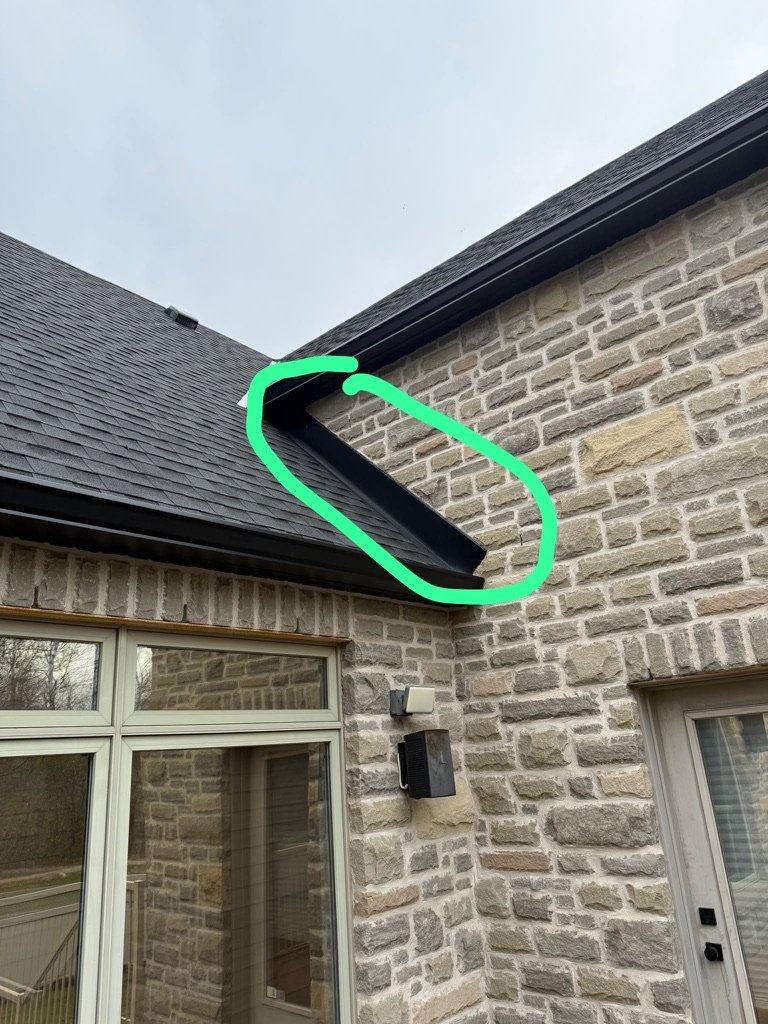
Yes. Many roof leaks can be repaired without replacing the entire roof when the source of the leak is localized and the surrounding roofing system remains in serviceable condition.
A leaking roof does not automatically mean the roofing system has failed. Water intrusion can originate from a relatively small problem such as damaged shingles, deteriorated flashing, a leaking roof vent, plumbing stack flashing, a vulnerable roof valley, skylight flashing or a localized problem with a flat roofing membrane.
In these situations, the appropriate solution may be to repair the affected roofing component while leaving the serviceable portions of the roof in place.
The important question is not simply, “Is the roof leaking?” It is “Where is the water entering, what has failed, and what condition is the surrounding roof in?”
This guide explains which roof leaks can commonly be repaired, how professional roof repairs are completed, when a localized repair may not be enough and why diagnosing the source of water intrusion should come before deciding how much of the roof needs work.
Does a Roof Leak Mean You Need a New Roof?
No. A roof leak by itself does not mean the entire roof needs to be replaced.
A roofing system contains many individual components that work together to keep water outside the building. Depending on the type of roof, these can include shingles or membranes, underlayment, flashing, valleys, vents, plumbing stacks, skylights, fasteners and other waterproofing details.
A failure in one component can sometimes allow water into an otherwise serviceable roof.
For example, several shingles may be damaged during a windstorm while thousands of surrounding shingles remain functional. A plumbing stack flashing may deteriorate even though the shingles around it still have substantial remaining service life. Flashing around a chimney may also develop a localized problem without requiring the complete roof covering to be removed.
In these situations, a targeted roof repair can address the affected component while preserving roofing materials that do not need to be replaced.
What Types of Roof Leaks Can Be Repaired?
Many common sources of water intrusion can potentially be repaired without replacing the complete roofing system.
Whether a repair is appropriate depends on the condition of both the damaged area and the surrounding roof.
Damaged or Missing Shingles
Missing, cracked, torn, lifted or otherwise damaged asphalt shingles are among the most common localized roofing problems.
Asphalt shingle roofs are constructed from individual overlapping components, which means damaged shingles can often be carefully removed and replaced without dismantling a large portion of the roof.
A shingle repair may be appropriate when:
- The damage is limited to a relatively small area
- The surrounding shingles remain serviceable
- The roof deck beneath the affected area remains sound
- The surrounding roofing can be worked with without causing additional damage
The surrounding area should still be inspected because wind or impact damage may affect more than the most visibly damaged shingle.
Roof Flashing Leaks
Flashing protects vulnerable transitions where the roof meets another surface or penetration.
It can be found around chimneys, walls, skylights, valleys, vents and other roof details.
If flashing becomes loose, deteriorated, damaged or improperly integrated with the surrounding roofing, water may enter even though the main roof covering remains in good condition.
Depending on the problem, a flashing repair may involve removing a limited amount of surrounding roofing material, repairing or replacing the flashing and then properly integrating the roofing back into the repaired area.
When the surrounding roofing remains serviceable, this type of leak does not necessarily require complete roof replacement.
Plumbing Stack Flashing Leaks
Plumbing pipes that extend through the roof require flashing to prevent water from entering around the penetration.
Depending on the type of flashing used, years of exposure to sunlight, temperature changes, rain, snow and ice can eventually cause deterioration.
A failed plumbing stack flashing can create a roof leak even when the surrounding shingles remain in good condition.
In many cases, the affected flashing and localized roofing materials can be repaired or replaced without disturbing the remainder of the roof.
Roof Vent Leaks
Roof vents are another common penetration through a roofing system.
Leaks can occur because of damaged vent flashing, deteriorated roofing around the vent, problematic fasteners or damage to the vent itself.
If the problem is localized, repair may involve replacing the vent, correcting its flashing and replacing the affected surrounding roofing materials.
Chimney Flashing Leaks
Chimneys create several vulnerable transitions in a roofing system.
Depending on the design, waterproofing may involve step flashing, base flashing, counter flashing and a back-pan or cricket behind the chimney.
If one of these components deteriorates or becomes damaged, water can enter around the chimney while the remainder of the roof remains serviceable.
A proper chimney-related roof repair should identify which component is allowing water into the roofing system rather than simply applying additional sealant around the visible edges of the chimney.
Roof Valley Leaks
Roof valleys carry water from adjoining roof slopes toward the eaves. Because they manage a significant volume of water during rainfall and snowmelt, defects in a valley can lead to water intrusion.
A localized valley problem may sometimes be repaired by removing roofing materials around the affected area, correcting the underlying waterproofing detail and reinstalling compatible roofing materials.
The condition of the valley and surrounding roofing should be evaluated before determining the appropriate scope.
Skylight Leaks
A leak appearing around a skylight does not automatically mean either the skylight or the complete roof needs replacement.
The source may be deteriorated flashing, surrounding roofing materials, failed sealant, problematic fasteners or another roofing defect located higher on the roof.
Roofer On Demand’s skylight repair services evaluate the skylight together with the surrounding roofing system to determine whether localized repair, flashing correction, waterproofing work or skylight replacement is appropriate.
Can an Asphalt Shingle Roof Leak Be Repaired?
Yes. Asphalt shingle roofing systems are particularly suitable for localized repairs when the surrounding roofing remains serviceable.
Individual shingles can often be separated from surrounding shingles, removed and replaced without disturbing a large area of the roof.
This allows a roofing contractor to address problems such as:
- Missing shingles
- Wind-damaged shingles
- Cracked or punctured shingles
- Problematic fasteners
- Localized flashing problems
- Damage around roof penetrations
The ability to replace individual roofing components is one reason a leak on an asphalt shingle roof should not automatically be interpreted as a need for complete replacement.
However, the condition of the surrounding shingles matters. If they have become extremely brittle or extensively deteriorated, removing shingles to access a repair can become more difficult and may affect the practical scope of the work.
Can a Flat Roof Leak Be Repaired Without Replacing the Roof?
Yes. Many flat roof leaks can also be repaired without replacing the entire roofing system when the defect is localized and the surrounding membrane remains serviceable.
Flat and low-slope roofing systems can develop leaks from:
- Membrane punctures
- Open or deteriorated seams
- Flashing deficiencies
- Roof penetrations
- Drainage areas
- Parapet transitions
- Previous repair areas
- Mechanical or physical damage
The repair method should be compatible with the existing roofing system. SBS modified bitumen, EPDM and TPO roofs, for example, require different repair materials and techniques.
Flat roof leaks can also be difficult to trace because water may travel laterally within portions of the roofing assembly before entering the building.
This makes proper leak diagnosis particularly important before a repair area is selected.
How Do You Know If a Roof Leak Can Be Repaired?
A roofing contractor should consider more than the visible leak before determining whether localized repair is appropriate.
Several factors help determine whether the existing roof remains a reasonable candidate for repair.
The Leak Has an Identifiable Source
Repair becomes more practical when the likely source of water intrusion can be identified.
For example, if water is traced to one damaged plumbing stack flashing and the surrounding roof remains serviceable, the scope can be focused on that area.
If the source cannot be identified or multiple areas appear to be allowing water into the roof, additional investigation may be required.
The Damage Is Localized
Localized damage is generally more suitable for repair than deterioration spread throughout several areas of the roof.
A few damaged shingles, one flashing deficiency or one membrane puncture is very different from widespread roofing deterioration.
The Surrounding Roofing Remains Serviceable
A repair must integrate with the existing roof.
That means the roofing surrounding the affected area needs to be in suitable condition for the repair to be completed properly.
If nearby shingles are severely deteriorated or a flat roof membrane has widespread failure, repairing one small area may provide limited long-term value.
The Roof Deck Is in Suitable Condition
Persistent water intrusion can damage the wood decking beneath the roof covering.
Localized deck deterioration can sometimes be addressed during a roof repair by removing the affected roofing, replacing damaged decking and rebuilding the roofing system over the repaired area.
Extensive deck deterioration, however, may require a broader scope.
The Roof Has Reasonable Remaining Service Life
The age of a roof should be considered, but age alone should not determine whether a leak can be repaired.
An older roof with one localized flashing problem may still be a reasonable repair candidate if the surrounding roofing remains serviceable.
The more useful question is whether the proposed repair is likely to provide reasonable value based on the condition and remaining service life of the roofing system.
Why Finding the Actual Source of the Leak Matters
Before repairing a leaking roof, the likely water-entry point should be identified.
The place where water appears inside the home is not necessarily directly below the exterior roof defect.
Water can travel beneath roofing materials, along underlayment, roof decking, framing and other surfaces before eventually reaching a ceiling or wall.
This means repairing the roof directly above an interior stain can fail if the actual entry point is several feet higher on the roof.
A proper roof leak investigation may consider:
- Interior water staining
- Attic conditions where accessible
- Roof slope and drainage direction
- Shingles or roofing membranes
- Flashing
- Roof vents
- Plumbing stacks
- Chimneys
- Valleys
- Skylights
- Previous repair areas
If the source is unclear, Roofer On Demand offers a professional roof inspection to assess the affected area and surrounding roofing system before determining the appropriate repair.
Why Applying Sealant Is Not Always a Permanent Roof Repair
Roofing sealants have legitimate uses, but applying sealant to every suspected leak location is not the same as repairing the underlying roofing problem.
For example, if flashing has failed beneath shingles, covering the visible exterior area with sealant may not correct the concealed defect.
Likewise, roofing cement cannot replace deteriorated decking, restore severely damaged shingles or rebuild an improperly installed flashing system.
A compatible sealant may sometimes be appropriate as part of a temporary repair or at specific sealable roofing details. The repair method should ultimately correspond to the actual cause of the leak.
Temporary Roof Leak Repair vs. Permanent Roof Repair
Not every roof leak can receive a permanent repair immediately.
Weather, snow, ice, roof accessibility, material availability or the condition of the roofing system can sometimes make temporary protection more appropriate at the initial visit.
Temporary Roof Leak Repair
A temporary repair is intended to help reduce water intrusion until permanent work can be completed.
Depending on the roof and the problem, compatible roofing sealants or other temporary waterproofing methods may be used at identified vulnerable areas.
A temporary repair should not be confused with restoration of damaged roofing components.
Permanent Roof Leak Repair
A permanent repair addresses the affected roofing component more comprehensively.
Depending on the problem, work may involve removing damaged roofing materials, exposing the affected area, repairing or replacing flashing or waterproofing components and integrating compatible new materials with the surrounding roof.
The exact repair depends on the roofing system and the source of the leak.
Can a Roof Leak Be Repaired During Winter in Toronto?
Some roof leaks can be repaired during Toronto winters, but the appropriate approach depends on roof conditions, temperature, snow and ice, roofing material and the type of repair required.
Winter leaks can occur during rainfall, snowmelt or periods when ice affects normal roof drainage.
Some localized repairs may be possible when the work area can be safely accessed and the required materials can be properly installed under the existing conditions.
In other situations, temporary protection may be appropriate until weather conditions allow a more comprehensive permanent repair.
Snow-covered, icy or otherwise unsafe roofs should not be accessed simply to force a permanent repair under unsuitable conditions.
Can Storm Damage Be Repaired Without Replacing the Roof?
Yes. Localized storm damage can often be repaired without replacing the complete roof when the surrounding roofing system remains in serviceable condition.
Wind can remove shingles, crease or lift individual shingles, disturb flashing or cause debris to damage localized areas of the roof.
The extent of the storm damage should be assessed before deciding on the scope of work.
If only a limited section has been affected, the damaged components may be repairable. If a storm has caused widespread damage across several roof slopes, a broader assessment may be necessary.
For more information, read our guide on what to do after roof storm damage.
When Is a Roof Leak Not a Good Candidate for Localized Repair?
Although many roof leaks can be repaired, there are situations where repeatedly repairing individual areas may no longer provide reasonable long-term value.
A broader roofing solution may need to be considered when:
- Deterioration is widespread across multiple roof areas
- The roof repeatedly develops unrelated leaks
- Roofing materials are extensively brittle, cracked or deteriorated
- Significant roof deck deterioration is present
- Previous repairs are repeatedly failing
- The roofing system has little useful service life remaining
- Repair costs are becoming excessive relative to the expected benefit
The presence of one of these conditions does not automatically determine the scope, but it should be considered when evaluating whether another localized repair is a practical investment.
Is It Worth Repairing an Older Roof Leak?
Sometimes.
An older roof should not automatically be replaced simply because it develops one leak.
If the leak comes from one identifiable flashing detail, several damaged shingles or another localized component and the surrounding roof remains serviceable, repair may still make sense.
However, the expected benefit of the repair should be considered alongside the overall condition of the roof.
Investing heavily in one area of a roofing system that is experiencing widespread deterioration elsewhere may provide limited long-term value.
This is why the decision should be based on actual roof condition rather than age alone.
Can Repeated Roof Leaks Still Be Repaired?
Recurring leakage requires careful diagnosis.
If the same area continues leaking after previous repairs, it does not necessarily mean the complete roof needs replacement. It may mean the original source of water intrusion was never properly identified or the previous repair did not address the underlying defect.
However, leaks repeatedly appearing in different areas can indicate broader deterioration.
Understanding whether the problem is one unresolved leak or several unrelated roofing failures is important before determining the next repair scope.
Why Early Roof Leak Repair Matters
A small roof leak can affect more than the visible roofing material if water continues entering the building.
Depending on the location and duration of the leak, moisture can reach:
- Roof decking
- Attic insulation
- Wood framing
- Ceilings
- Drywall
- Interior finishes
Addressing a localized roofing problem before surrounding materials become affected can help limit the scope of the required work.
Regular inspection and maintenance can also help identify damaged shingles, flashing and other vulnerable areas before significant interior water intrusion develops.
Read Roofer On Demand’s roof maintenance tips for homeowners for practical signs to monitor throughout the year.
What Happens During a Professional Roof Leak Repair?
The exact process depends on the roofing system and problem, but a professional roof repair generally begins with diagnosis rather than immediately applying repair material.
1. Assess the Leak
The visible interior water damage and corresponding roof area are evaluated to help determine the likely source of water intrusion.
2. Inspect the Surrounding Roofing
The condition of nearby shingles, flashing, penetrations, valleys or membrane areas is considered to determine whether the problem is localized.
3. Define the Repair Scope
The affected roofing components and materials that need to be removed or replaced are identified.
4. Access the Damaged Area
Where necessary, shingles, membrane or other roofing materials may be removed to access concealed flashing, waterproofing or damaged decking.
5. Complete the Repair
The damaged component is repaired or replaced using materials and installation methods appropriate for the existing roofing system.
6. Integrate the Repair With the Existing Roof
New roofing materials should be properly integrated with the surrounding serviceable roofing so water continues to drain as intended.
How Can You Reduce the Risk of Future Roof Leaks?
No maintenance program can prevent every roofing problem, but routine attention can help identify visible deficiencies before they become more extensive.
Homeowners should watch for conditions such as:
- Missing or damaged shingles
- Loose or deteriorated flashing
- Debris accumulating on the roof
- Blocked drainage areas
- Visible damage after storms
- Interior ceiling stains
- Changes around roof penetrations
Roof inspections can be particularly useful after significant storms or when the roofing system begins showing visible signs of deterioration.
Can a Roof Leak Be Repaired Without Replacing the Roof? The Bottom Line
Yes. Many roof leaks can be repaired without replacing the complete roof when the source of water intrusion is localized and the surrounding roofing system remains serviceable.
Damaged shingles, flashing problems, plumbing stack flashing, roof vents, chimney flashing, valleys, skylights and localized flat roof membrane defects are examples of problems that may be repairable.
The most important step is determining what is actually allowing water into the roofing system.
A proper roof repair should address the failed roofing component and integrate the repaired area with the surrounding roof rather than simply covering the visible symptom.
When deterioration is widespread or repeated repairs are no longer providing reasonable value, a broader roofing solution may need to be considered. But a roof leak by itself is not enough to conclude that the entire roof needs replacement.
Have a Roof Leak? Find Out If It Can Be Repaired
Roofer On Demand can assess the source of your roof leak, evaluate the surrounding roofing system and determine whether a localized roof repair is appropriate.
Book a professional roof inspection with Roofer On Demand to identify the problem and determine the appropriate repair scope.
Frequently Asked Questions
Leaks caused by localized shingle damage, deteriorated flashing, roof vents, plumbing stacks, chimneys, valleys, skylights and certain flat roof membrane problems can often be repaired without replacing the complete roofing system.
Yes. Individual damaged or missing shingles can often be replaced when the surrounding shingles remain in suitable condition. The affected area should also be inspected for related damage before the repair is completed.
Yes. Localized flashing problems around chimneys, walls, skylights, vents and other roof penetrations can often be repaired or replaced while leaving serviceable portions of the roof in place.
Yes. Localized flat roof problems such as membrane punctures, open seams, flashing deficiencies and penetration leaks may be repairable. The appropriate method depends on the existing roofing system and the condition of the surrounding membrane.
A localized repair may provide limited value when deterioration is widespread, the roof repeatedly leaks in different areas, roofing materials are extensively deteriorated, significant deck damage is present or the roofing system has little remaining service life.
A roof assessment can determine the likely source of the leak, extent of damage and condition of the surrounding roofing system. If the problem is localized and the surrounding roof remains serviceable, repair may be an appropriate solution.
Find Out If Your Roof Leak Can Be Repaired
Roofer On Demand can assess the source of your leak and determine whether a localized roof repair is the appropriate solution.