
The most common roof repairs include replacing damaged or missing shingles, repairing roof leaks and flashing, fixing roof vents and plumbing stack flashing, repairing valleys, skylights and chimneys, and addressing localized damage to flat roofing membranes.
What Are the Most Common Roof Repairs?
A practical guide to the most common roof repairs, what causes them, warning signs to watch for and when professional roof repair may be needed.
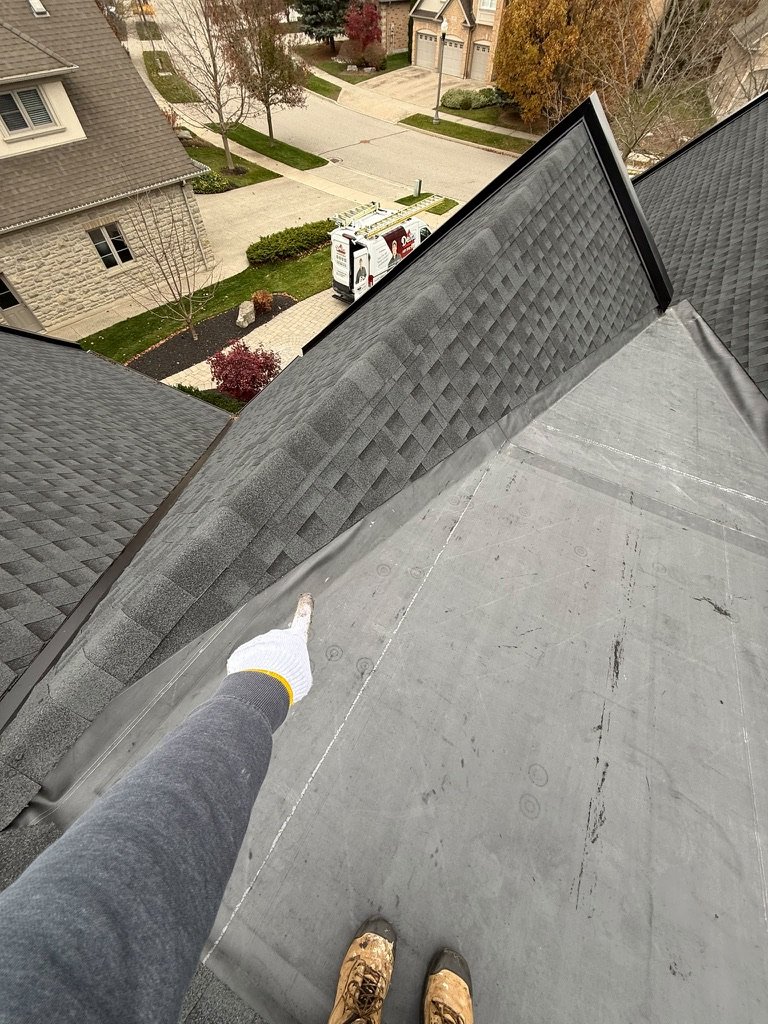
The most common roof repairs include replacing damaged or missing shingles, repairing roof flashing, fixing roof leaks around vents and plumbing stacks, repairing roof valleys, correcting chimney and skylight flashing, repairing flat roof membranes, and addressing damage caused by wind, snow and ice.
In Toronto, roofing systems are exposed to changing weather conditions throughout the year. Wind, heavy rain, snow accumulation, ice and repeated freeze-thaw cycles can affect shingles, flashing, membranes and other vulnerable roofing components over time.
Not every roofing problem requires a complete roof replacement. When damage is localized and the surrounding roofing system remains in serviceable condition, a professional roof repair may be able to correct the affected area and help preserve the remaining service life of the roof.
This guide explains some of the most common roof repairs Toronto homeowners encounter, what can cause these problems and why identifying the actual source of damage is important before deciding how the roof should be repaired.
What Are the Most Common Types of Roof Repairs?
Although every roofing system and property is different, certain problems occur more frequently than others.
Some of the most common roof repairs include:
- Missing or damaged shingle replacement
- Roof leak repair
- Roof flashing repair
- Chimney flashing repair
- Roof vent repair
- Plumbing stack flashing repair
- Roof valley repair
- Skylight and skylight flashing repair
- Flat roof membrane repair
- Storm and wind damage repair
- Localized roof deck repair
- Repairs related to ice and winter weather
The appropriate repair depends on the roofing material, location of the damage, condition of the surrounding roof and whether the problem is isolated or part of broader deterioration.
1. Missing or Damaged Shingle Repair
Replacing damaged asphalt shingles is one of the most common residential roof repairs.
Shingles can become missing, cracked, torn, lifted or creased because of wind, storms, aging or physical damage. Strong winds can also break the seal between shingles without completely removing them, leaving sections vulnerable to further movement or water intrusion.
What Does Shingle Damage Look Like?
Common signs can include:
- Missing shingles
- Lifted shingle tabs
- Cracked or torn shingles
- Creased shingles following wind exposure
- Loose shingles
- Exposed fasteners
- Localized granule loss associated with damage
When damage affects only a limited area and the surrounding shingles remain serviceable, individual shingles or sections of roofing can often be repaired without replacing the entire roof.
The surrounding area should also be inspected because the most visible damaged shingle may not be the only component affected by the same weather event.
2. Roof Leak Repair
Roof leak repair is another common roofing service, but finding the actual source of a leak can be more complicated than it appears.
A ceiling stain does not necessarily identify the location where water entered the roof. Water can travel beneath roofing materials, along roof decking or framing before becoming visible inside the home.
Common sources of roof leaks include:
- Damaged shingles
- Deteriorated flashing
- Roof vents
- Plumbing stack flashing
- Chimneys
- Roof valleys
- Skylights
- Roof-to-wall transitions
- Flat roof seams and membranes
For this reason, an effective roof repair should begin by identifying the likely source of water intrusion rather than simply applying sealant above the visible interior stain.
If the source is unclear, Roofer On Demand offers a professional roof inspection to assess the affected area and surrounding roofing system.
3. Roof Flashing Repair
Flashing protects some of the most vulnerable areas of a roofing system.
It is commonly installed where roofing materials meet walls, chimneys, skylights, valleys and other roof penetrations. These transitions require careful waterproofing because they interrupt the continuous roof surface.
Why Does Roof Flashing Need Repair?
Flashing can become damaged or ineffective because of:
- Wind damage
- Loose or missing fasteners
- Corrosion
- Deteriorated sealant
- Movement between building materials
- Previous improper repairs
- Installation deficiencies
A flashing repair may require surrounding shingles or roofing materials to be carefully removed so the damaged detail can be accessed and properly repaired.
Simply covering deteriorated flashing with additional sealant may not provide an appropriate long-term repair if the underlying flashing detail has failed.
4. Chimney Flashing Repair
Chimneys are frequent areas of concern because several roofing transitions come together around them.
Depending on the roof and chimney design, waterproofing can include step flashing, base flashing, counter flashing and a back-pan or cricket behind the chimney.
Water appearing near a chimney may originate from deteriorated flashing, damaged roofing materials or masonry-related conditions.
A proper assessment should therefore examine the complete chimney-to-roof transition rather than automatically assuming the nearby shingles are causing the leak.
Signs of Possible Chimney Flashing Problems
Possible warning signs include water staining near the chimney, visible loose flashing, deteriorated sealant, gaps between flashing and masonry or previous patching that has begun to fail.
5. Roof Vent Repair
Roof vents help provide attic exhaust ventilation but also create penetrations through the roofing system.
Each penetration requires proper flashing and integration with the surrounding roofing materials.
Leaks can develop if vent flashing becomes damaged, roofing around the vent deteriorates or the vent assembly itself becomes compromised.
A roof vent repair may involve replacing the vent, correcting the flashing, replacing surrounding shingles or addressing another localized waterproofing problem.
6. Plumbing Stack Flashing Repair
Plumbing vent pipes extending through the roof are another common source of localized roof repairs.
These pipes are typically waterproofed using a flashing or boot system. Depending on the material and age, the flashing can deteriorate after years of exposure to sunlight, temperature changes and weather.
If the surrounding roofing remains in good condition, repairing or replacing the affected plumbing stack flashing can often address the problem without disturbing large areas of the roof.
7. Roof Valley Repair
Roof valleys form where two roof slopes meet and direct a significant amount of rainwater and melting snow toward the eaves.
Because so much water travels through these areas, valleys are important parts of the roofing system.
Valley problems can involve damaged shingles, deteriorated underlying materials, debris accumulation or installation deficiencies.
Repairs may require removing roofing materials around the affected section so the valley can be properly waterproofed before the roofing is reinstated.
8. Skylight Repair
Skylights are another common area where homeowners notice water intrusion, but water around a skylight does not automatically mean the skylight itself has failed.
The problem may involve:
- Skylight flashing
- Surrounding shingles
- Roofing above the skylight
- Deteriorated components
- Another nearby roof penetration
Water can enter higher on the roof and travel toward the skylight opening, making the leak appear to originate from the skylight.
Roofer On Demand’s skylight repair service assesses both the skylight and surrounding roofing system to determine the likely source of the problem and the appropriate scope of work.
9. Flat Roof Repair
Flat and low-slope roofs experience a different set of repair requirements than asphalt shingle roofs.
Depending on the roofing system, common flat roof repairs can involve membranes, seams, penetrations, drains, flashing and transitions between horizontal and vertical surfaces.
Common Flat Roof Problems
Flat roof repairs may be required for:
- Membrane punctures
- Open or deteriorated seams
- Localized membrane damage
- Flashing deficiencies
- Roof penetration problems
- Drainage-related areas
- Previous repair failures
- Damage caused by rooftop traffic or falling objects
Flat roof leak diagnosis can be challenging because water may travel within portions of the roofing assembly before entering the building.
The repair material and method should also be compatible with the existing roofing system, whether the roof uses SBS modified bitumen, EPDM, TPO or another flat roofing material.
10. Storm and Wind Damage Roof Repair
Toronto roofs are regularly exposed to wind, rain and seasonal storms.
Strong winds can lift or remove shingles, break shingle sealant bonds, disturb flashing and cause branches or other debris to strike roofing surfaces.
Some storm damage is immediately visible, while other damage may be less obvious from ground level.
Roof Damage to Look for After a Storm
- Missing shingles
- Lifted or creased shingles
- Loose flashing
- Roof debris
- New interior water stains
- Damage around roof penetrations
- Punctures caused by falling branches or debris
If you notice a roofing problem after severe weather, read our guide on what to do after roof storm damage.
11. Winter Roof and Ice-Related Repairs
Toronto’s winter climate creates additional roofing challenges.
The City of Toronto reports that the city receives approximately 130 centimetres of snowfall during a typical winter, with most snowfall occurring in January and February.
Snow accumulation itself is only part of the concern. Changes between freezing and thawing conditions can repeatedly expose roofing materials and transitions to moisture and temperature changes.
Ice can also form near roof edges under certain conditions and interfere with normal drainage.
How Ice Dams Can Affect a Roof
An ice dam forms when snow melts on an upper portion of the roof and the water refreezes near a colder roof edge.
As ice builds up, additional melting snow may be prevented from draining normally. Water can then move beneath vulnerable roofing materials and potentially enter the building.
Addressing recurring ice-dam problems may involve more than repairing the immediate leak. Attic insulation, air leakage, ventilation and roof configuration may also need to be considered.
12. Localized Roof Deck Repair
The roof deck is the structural surface beneath the roofing materials.
Persistent water intrusion can eventually cause sections of wood decking to deteriorate.
If deterioration is limited to a small area, the affected roofing materials may be removed so damaged decking can be replaced before the roofing system is restored.
However, widespread deck deterioration can indicate a larger roofing problem and may require a broader scope of work.
Why Are These Roof Repairs Common in Toronto?
Toronto roofing systems experience substantial seasonal changes.
The City of Toronto has identified extreme precipitation, high winds, winter storms and freeze-thaw cycles among the climate conditions that can affect buildings and infrastructure.
For roofing systems, these conditions can expose existing vulnerabilities and contribute to deterioration over time.
Wind
Strong winds can affect shingle sealant bonds, lift roofing materials and damage flashing. Roof edges, corners and exposed slopes can be particularly vulnerable depending on the direction and severity of the wind.
Rain
Heavy and wind-driven rain can expose deficiencies around flashing, walls, valleys, chimneys and roof penetrations that may not be noticeable during lighter rainfall.
Snow and Ice
Accumulated snow and ice can affect roof drainage and expose vulnerable areas during melting and refreezing conditions.
Freeze-Thaw Cycles
Repeated freezing and thawing can contribute to deterioration of building materials and existing cracks or vulnerable transitions.
These conditions make regular roof maintenance and timely repairs particularly important for Toronto properties.
How Do You Know If Your Roof Needs Repair?
Roof problems are not always obvious from inside the home.
Some warning signs can be identified before active water begins dripping through the ceiling.
Signs That May Indicate Roof Repair Is Needed
- Missing or damaged shingles
- Water stains on ceilings or walls
- Active dripping during rainfall
- Loose or damaged flashing
- Problems around chimneys or roof vents
- Visible membrane damage on a flat roof
- Recurring leaks
- Roof damage following a storm
- Wet attic insulation
- Visible staining on roof decking
If you notice any of these conditions, having the roof assessed can help determine whether the problem is localized and what type of roof repair may be appropriate.
Can Common Roof Problems Be Repaired Without Replacing the Roof?
Yes. Many common roof problems can be repaired without replacing the entire roofing system when the damage is localized and the surrounding roofing remains serviceable.
A few damaged shingles, a deteriorated plumbing stack flashing or a localized membrane defect does not automatically mean the entire roof has reached the end of its service life.
The decision should be based on the condition of the overall roofing system rather than one isolated defect.
However, if damage is widespread, leaks are occurring in multiple unrelated areas or the roofing materials are extensively deteriorated, broader roofing work may need to be considered.
Why Proper Roof Diagnosis Matters
The visible problem is not always the actual cause of a roof leak.
For example, a ceiling stain near a chimney could originate from chimney flashing, shingles located upslope, a roof-to-wall transition or another nearby detail.
Repairing the wrong area may temporarily change how water travels without correcting the original entry point.
A professional roof repair therefore begins with understanding the likely cause of the problem, evaluating the surrounding roofing system and defining the appropriate repair area.
Should You Repair a Roof Problem as Soon as You Notice It?
Roofing problems should generally be investigated promptly because water intrusion can affect more than the visible roofing material.
Moisture that enters the roof assembly can potentially affect roof decking, insulation, ceilings and interior finishes.
A small localized repair can also become more extensive if damaged roofing materials remain exposed to repeated rain, wind or winter weather.
That does not mean every visible roofing imperfection is an emergency. It means signs of active leakage or significant damage should not be ignored.
Can Roof Maintenance Reduce the Need for Repairs?
Regular maintenance cannot prevent every roof problem, but it can help identify visible deficiencies before they develop into more significant damage.
Checking the condition of shingles, flashing, roof penetrations and drainage areas can help identify potential problems earlier.
Industry guidance commonly recommends periodic roof inspections because conditions such as missing shingles, deteriorated flashing and open seams may be visible before serious interior leakage occurs.
For more information, read Roofer On Demand’s guide to roof maintenance for homeowners.
What Are the Most Common Roof Repairs? The Bottom Line
The most common roof repairs include damaged shingle replacement, roof leak repair, flashing repair, chimney and vent repairs, plumbing stack flashing, valley repair, skylight repair, flat roof membrane repair and storm-related roofing work.
For Toronto homeowners, wind, rain, snow, ice and freeze-thaw conditions can expose or contribute to roofing problems throughout the year.
Many of these problems can be addressed with a localized roof repair when the surrounding roofing system remains in serviceable condition.
The most important step is determining what has actually failed before deciding how it should be repaired. Proper diagnosis allows the repair to address the affected roofing component rather than simply treating the most visible symptom.
Need a Roof Repair? Start With a Professional Assessment
If you have missing shingles, a roof leak, damaged flashing or another roofing problem, Roofer On Demand can assess the affected area and recommend the appropriate repair based on the condition of your roofing system.
Book a roof inspection with Roofer On Demand to identify the problem and determine the appropriate next step.
Frequently Asked Questions
Roof leaks can have many causes, but common sources include damaged shingles, deteriorated flashing, roof penetrations, valleys, chimneys, skylights and flat roof seams. The visible ceiling stain may not be directly below the actual water-entry point.
Yes. Missing or damaged shingles can often be replaced when the damage is localized and the surrounding roofing system remains serviceable. The surrounding area should also be inspected for related wind or water damage.
Yes. Damaged or deteriorated flashing around chimneys, walls, skylights, vents and other roof transitions can often be repaired or replaced. The appropriate method depends on the condition of the flashing and surrounding roofing materials.
Common storm-related repairs include replacing missing or lifted shingles, repairing damaged flashing, correcting roof penetrations and repairing areas damaged by falling branches or debris. Some wind damage may not be easily visible from ground level.
Yes. Many flat roof leaks can be repaired when the problem is localized. Repairs may involve damaged membranes, open seams, flashing, penetrations or drainage areas. The repair method should be compatible with the existing flat roofing system.
Consider having your roof professionally assessed if you notice active leaking, missing or damaged shingles, deteriorated flashing, storm damage, recurring water stains or another visible roofing problem. Identifying the cause early can help prevent the affected area from becoming more extensive.
Have a Roofing Problem That Needs Repair?
From damaged shingles and flashing to roof leaks and storm damage, Roofer On Demand can identify the problem and recommend the appropriate roof repair.